Softskill
Introduction
Soft skills are a cluster of productive personality traits that characterize one's relationships in a social environment. These skills can include social graces, communication abilities, language skills, personal habits, cognitive or emotional empathy, time management, teamwork and leadership traits. A definition based on review literature explains soft skills as an umbrella term for skills under three key functional elements: people skills, social skills, and personal career attributes.
The importance of soft skills lies in the fact that they are not restricted to a specific field. These thinking dispositions consist of a group of abilities that can be used in every aspect of people's lives, without any need to readapt them based on the situation. Their ductility helps “people to adapt and behave positively so that they can deal effectively with the challenges of their professional and everyday life”.[14] Soft skills make people flexible in a world which keeps changing.
Interest in soft skills has increased over the years. The more research that is conducted, the more people understand the relevance of this concept. The huge amount of fund companies and worldwide organizations are investing in the training and development of this field shows this interest. The European Commission launched the program Agenda for new skills and jobs in 2012 in order to train and explain to young adults this new set of skills.
1. Listening
Listening is the ability to accurately receive and interpret messages in the communication process.
Listening is key to all effective communication. Without the ability to listen effectively, messages are easily misunderstood. As a result, communication breaks down and the sender of the message can easily become frustrated or irritated.
If there is one communication skill you should aim to master, then listening is it.
Listening is so important that many top employers provide listening skills training for their employees. This is not surprising when you consider that good listening skills can lead to better customer satisfaction, greater productivity with fewer mistakes, and increased sharing of information that in turn can lead to more creative and innovative work.
Many successful leaders and entrepreneurs credit their success to effective listening skills. Richard Branson frequently quotes listening as one of the main factors behind the success of Virgin.
Effective listening is a skill that underpins all positive human relationships.
Spend some time thinking about and developing your listening skills – they are the building blocks of success.
Good listening skills also have benefits in our personal lives, including:
A greater number of friends and social networks, improved self-esteem and confidence, higher grades at school and in academic work, and even better health and general well-being.
Studies have shown that, whereas speaking raises blood pressure, attentive listening can bring it down.
Listening is Not the Same as Hearing
Hearing refers to the sounds that enter your ears. It is a physical process that, provided you do not have any hearing problems, happens automatically.
Listening, however, requires more than that: it requires focus and concentrated effort, both mental and sometimes physical as well.
Listening means paying attention not only to the story, but how it is told, the use of language and voice, and how the other person uses his or her body. In other words, it means being aware of both verbal and non-verbal messages. Your ability to listen effectively depends on the degree to which you perceive and understand these messages.
Listening is not a passive process. In fact, the listener can, and should, be at least as engaged in the process as the speaker. The phrase ‘active listening’ is used to describe this process of being fully involved.
The most basic and powerful way to connect to another person is to listen. Just listen. Perhaps the most important thing we ever give each other is our attention -Dr. Rachel Naomi Remen
The Purpose of Listening
There is no doubt that effective listening is an extremely important life skill. Why is listening so important?
Listening serves a number of possible purposes, and the purpose of listening will depend on the situation and the nature of the communication.
To specifically focus on the messages being communicated, avoiding distractions and preconceptions.
To gain a full and accurate understanding into the speakers point of view and ideas.
To critically assess what is being said. (See our page on Critical Thinking for more).
To observe the non-verbal signals accompanying what is being said to enhance understanding.
To show interest, concern and concentration.
To encourage the speaker to communicate fully, openly and honestly.
To develop an selflessness approach, putting the speaker first.
To arrive at a shared and agreed understanding and acceptance of both sides views.
Often our main concern while listening is to formulate ways to respond. This is not a function of listening. We should try to focus fully on what is being said and how it's being said in order to more fully understand the speaker.
Effective listening requires concentration and the use of your other senses - not just hearing the words spoken.
Barriers to Effective Listening
To improve the process of effective listening, it can be helpful to turn the problem on its head and look at barriers to effective listening, or ineffective listening.
For example, one common problem is that instead of listening closely to what someone is saying, we often get distracted after a sentence or two and instead start to think about what we are going to say in reply or think about unrelated things. This means that we do not fully listen to the rest of the speaker’s message.
This problem is attributed, in part, to the difference between average speech rate and average processing rate. Average speech rates are between 125 and 175 words a minute whereas we can process on average between 400 and 800 words a minute. It is a common habit for the listener to use the spare time while listening to daydream or think about other things, rather than focusing on what the speaker is saying.
Of course the clarity of what the speaker is saying can also affect how well we listen. Generally we find it easier to focus if the speaker is fluent in their speech, has a familiar accent, and speaks at an appropriate loudness for the situation. It is more difficult, for example, to focus on somebody who is speaking very fast and very quietly, especially if they are conveying complex information.
We may also get distracted by the speaker’s personal appearance or by what someone else is saying, which sounds more interesting.
These issues not only affect you, but you are likely to show your lack of attention in your body language.
Generally, we find it much harder to control our body language, and you are likely to show your distraction and/or lack of interest by lack of eye contact, or posture. The speaker will detect the problem, and probably stop talking at best. At worse, they may be very offended or upset.
2. Teamwork skill :
Teamwork skills are the skills that enable you to work well with others. Candidates with strong teamwork skills are sought out by employers for many reasons—they demonstrate leadership, collaboration, and good communication.
What Are Teamwork Skills?
Teamwork skills involve your ability to work cooperatively with others.1 Regardless of your role, you need to be able to work well with others and convey your teamwork skills to hiring managers, recruiters, and prospective employers.
Scan any job listing, and you’ll see that even ads that seek “self-starters” also inevitably use the phrase “team player.” Those who have teamwork skills like communication, collaboration, leadership, and a positive attitude can help a team be more productive.
Types of Teamwork Skills
There are a variety of different teamwork skills, but they are all related to your ability to engage and work well with others. Being a successful member of a team requires excellent communication, listening, and conflict management skills.
Below is a list of the most important teamwork skills that employers seek in candidates.
Communication
Being a good team member means clearly communicating your ideas with the group. You must be able to convey information via phone, email, video, and in person. You want to make sure your tone is always professional but friendly. Both verbal and nonverbal communication are important when working within a group setting.
Conflict Management
An important teamwork skill is being able to mediate problems between team members. You need to be able to negotiate with your team members to settle disputes and make sure everyone is happy with the team’s choices.
Listening
Another important part of communication is listening. You must be able to listen to the ideas and concerns of your peers to be an effective team member. By asking questions for clarification, demonstrating concern, and using nonverbal cues, you can show your team that you care and that you understand their ideas or concerns.
Reliability
You want to be a reliable team member so that your co-workers can trust you with time-sensitive tasks and company information. Make sure you stick to deadlines and complete any assigned work. This will help you gain your colleagues’ trust.
Respectfulness
People will be more open to communicating with you if you convey respect for them and their ideas. Simple actions like using a person's name, making eye contact, and actively listening when a person speaks will make your team members feel appreciated.
More Teamwork Skills
Here are additional teamwork skills for resumes, cover letters, job applications, and interviews.
•Ability to Build Rapport
•Accountability
•Creative
•Decision Making
•Delegating
•Encouraging
•Influential
•Innovative
•Instinctual
•Organizing
•Persuasive
•Project Management
•Project Planning
•Receiving Feedback
•Presentation
•Respect
•Self-Awareness
•Supportive
•Time Management
•Trustworthy
3. Emotional Intelligence skill :
Emotional intelligence affects:
Your performance at school or work. High emotional intelligence can help you navigate the social complexities of the workplace, lead and motivate others, and excel in your career. In fact, when it comes to gauging important job candidates, many companies now rate emotional intelligence as important as technical ability and employ EQ testing before hiring.
Your physical health. If you’re unable to manage your emotions, you are probably not managing your stress either. This can lead to serious health problems. Uncontrolled stress raises blood pressure, suppresses the immune system, increases the risk of heart attacks and strokes, contributes to infertility, and speeds up the aging process. The first step to improving emotional intelligence is to learn how to manage stress.
Your mental health. Uncontrolled emotions and stress can also impact your mental health, making you vulnerable to anxiety and depression. If you are unable to understand, get comfortable with, or manage your emotions, you’ll also struggle to form strong relationships. This in turn can leave you feeling lonely and isolated and further exacerbate any mental health problems.
Your relationships. By understanding your emotions and how to control them, you’re better able to express how you feel and understand how others are feeling. This allows you to communicate more effectively and forge stronger relationships, both at work and in your personal life.
Your social intelligence. Being in tune with your emotions serves a social purpose, connecting you to other people and the world around you. Social intelligence enables you to recognize friend from foe, measure another person’s interest in you, reduce stress, balance your nervous system through social communication, and feel loved and happy.
Building emotional intelligence: Four key skills to increasing your EQ
The skills that make up emotional intelligence can be learned at any time. However, it’s important to remember that there is a difference between simply learning about EQ and applying that knowledge to your life. Just because you know you should do something doesn’t mean you will—especially when you become overwhelmed by stress, which can override your best intentions. In order to permanently change behavior in ways that stand up under pressure, you need to learn how to overcome stress in the moment, and in your relationships, in order to remain emotionally aware.
The key skills for building your EQ and improving your ability to manage emotions and connect with others are:
key skill 1: Self-management
In order for you to engage your EQ, you must be able to use your emotions to make constructive decisions about your behavior. When you become overly stressed, you can lose control of your emotions and the ability to act thoughtfully and appropriately.
Think about a time when stress has overwhelmed you. Was it easy to think clearly or make a rational decision? Probably not. When you become overly stressed, your ability to both think clearly and accurately assess emotions—your own and other people’s—becomes compromised.
Emotions are important pieces of information that tell you about yourself and others, but in the face of stress that takes us out of our comfort zone, we can become overwhelmed and lose control of ourselves. With the ability to manage stress and stay emotionally present, you can learn to receive upsetting information without letting it override your thoughts and self-control. You’ll be able to make choices that allow you to control impulsive feelings and behaviour, manage your emotions in healthy ways, take initiative, follow through on commitments, and adapt to changing circumstances.
Key skill 2: Self-awareness
Managing stress is just the first step to building emotional intelligence. The science of attachment indicates that your current emotional experience is likely a reflection of your early life experience. Your ability to manage core feelings such as anger, sadness, fear, and joy often depends on the quality and consistency of your early life emotional experiences. If your primary caretaker as an infant understood and valued your emotions, it’s likely your emotions have become valuable assets in adult life. But, if your emotional experiences as an infant were confusing, threatening or painful, it’s likely you’ve tried to distance yourself from your emotions.
But being able to connect to your emotions—having a moment-to-moment connection with your changing emotional experience—is the key to understanding how emotion influences your thoughts and actions.
Do you experience feelings that flow, encountering one emotion after another as your experiences change from moment to moment?
Are your emotions accompanied by physical sensations that you experience in places like your stomach, throat, or chest?
Do you experience individual feelings and emotions, such as anger, sadness, fear, and joy, each of which is evident in subtle facial expressions?
Can you experience intense feelings that are strong enough to capture both your attention and that of others?
Do you pay attention to your emotions? Do they factor into your decision making?
If any of these experiences are unfamiliar, you may have “turned down” or “turned off” your emotions. In order to build EQ—and become emotionally healthy—you must reconnect to your core emotions, accept them, and become comfortable with them. You can achieve this through the practice of mindfulness.
Mindfulness is the practice of purposely focusing your attention on the present moment—and without judgment. The cultivation of mindfulness has roots in Buddhism, but most religions include some type of similar prayer or meditation technique. Mindfulness helps shift your preoccupation with thought toward an appreciation of the moment, your physical and emotional sensations, and brings a larger perspective on life. Mindfulness calms and focuses you, making you more self-aware in the process.
Developing emotional awareness
It’s important that you learn how to manage stress first, so you’ll feel more comfortable reconnecting to strong or unpleasant emotions and changing how you experience and respond to your feelings. You can develop your emotional awareness by using HelpGuide’s free Emotional Intelligence Toolkit.
Key skill 3: Social awareness
Social awareness enables you to recognize and interpret the mainly nonverbal cues others are constantly using to communicate with you. These cues let you know how others are really feeling, how their emotional state is changing from moment to moment, and what’s truly important to them.
When groups of people send out similar nonverbal cues, you’re able to read and understand the power dynamics and shared emotional experiences of the group. In short, you’re empathetic and socially comfortable.
Mindfulness is an ally of emotional and social awareness
To build social awareness, you need to recognize the importance of mindfulness in the social process. After all, you can’t pick up on subtle nonverbal cues when you’re in your own head, thinking about other things, or simply zoning out on your phone. Social awareness requires your presence in the moment. While many of us pride ourselves on an ability to multitask, this means that you’ll miss the subtle emotional shifts taking place in other people that help you fully understand them.
You are actually more likely to further your social goals by setting other thoughts aside and focusing on the interaction itself.
Following the flow of another person’s emotional responses is a give-and-take process that requires you to also pay attention to the changes in your own emotional experience.
Paying attention to others doesn’t diminish your own self-awareness. By investing the time and effort to really pay attention to others, you’ll actually gain insight into your own emotional state as well as your values and beliefs. For example, if you feel discomfort hearing others express certain views, you’ll have learned something important about yourself.
Key skill 4: Relationship management
Working well with others is a process that begins with emotional awareness and your ability to recognize and understand what other people are experiencing. Once emotional awareness is in play, you can effectively develop additional social/emotional skills that will make your relationships more effective, fruitful, and fulfilling.
Become aware of how effectively you use nonverbal communication. It’s impossible to avoid sending nonverbal messages to others about what you think and feel. The many muscles in the face, especially those around the eyes, nose, mouth and forehead, help you to wordlessly convey your own emotions as well as read other peoples’ emotional intent. The emotional part of your brain is always on—and even if you ignore its messages—others won’t. Recognizing the nonverbal messages that you send to others can play a huge part in improving your relationships.
Use humor and play to relieve stress. Humor, laughter and play are natural antidotes to stress. They lessen your burdens and help you keep things in perspective. Laughter brings your nervous system into balance, reducing stress, calming you down, sharpening your mind and making you more empathic.
Learn to see conflict as an opportunity to grow closer to others. Conflict and disagreements are inevitable in human relationships. Two people can’t possibly have the same needs, opinions, and expectations at all times. However, that needn’t be a bad thing. Resolving conflict in healthy, constructive ways can strengthen trust between people. When conflict isn’t perceived as threatening or punishing, it fosters freedom, creativity, and safety in relationships.
4. Adaptability skill :
Adaptability skills can be developed in several ways including increasing self-awareness and deliberate practice.
Over the past couple of decades softer leadership skills have been increasingly recognised as one of the key components required to lead successfully. But, our research and experience shows that a lot of leadership failures arise from an inability to adapt and let go of old behaviours.
Whilst it’s important to use our past experiences of change to inform how we might tackle the next unexpected challenge, being adaptable is about remaining open and flexible in our approach, accepting that we may succeed or fail along the way.
In a world that is going to continue to throw new situations for leaders to navigate, the need for adaptability in the workplace — to learn and unlearn — is critical to future success.
What is adaptability?
Adaptability is a soft skill that means being able to rapidly learn new skills and behaviours in response to changing circumstances. Employers usually look for adaptability when hiring new staff and the skill is often included in job descriptions because of its importance for growth within a role.
Someone demonstrating adaptability in the workplace is flexible and has the ability to respond effectively to their working conditions — even if things don’t go as planned They usually work well on their own and with team members.
People in leadership positions are often expected to manage unusual situations without explicit instruction. An adaptable leader must be able to solve problems in a fast-paced environment and trust their judgement when making difficult decisions.
Observe and monitor changes in your environment:
You will not see the need for a change until you notice changes in your environment. Adaptability must not be easy only but timely as well. Always make a conscious effort to monitor trends, values, attitudes etc. Compare present observations with past ones and find out what has changed.
For instance:
Low customer retention rate despite an increased sales figure is an indication that there are disgruntled old customers who need to be attended to.
Be willing to learn: Observation alone is not enough. If the result of your observations suggests you need to learn something new, do not hesitate to do so. While you can learn some things on your own when furnished with appropriate educational resources, others may requiretutorials from specialists. Don’t decline to use the services of a professional tutor if necessary.
Avoid procrastination:
Don’t just be willing to learn. Take the necessary course of action. Remember that adaptations are more effective when the action is taken earlier. For instance: Your competitors started diversifying after the industry faced a decline and an inevitable collapse. However, you started a new trade after the old industry had collapsed totally. By then, while you are now a novice with a very small customer base, they would have a built a wider network of customers and suppliers in the new industries.
Acknowledge the fact that changes are bound to occur:
Though it is difficult to let goa norm, you should know it is people who matter, not you. If customers or employees no longer need that product or expertise of yours, accept it and try newer ventures.
5. Non verbal communication skill :
Nonverbal communication refers to gestures, facial expressions, tone of voice, eye contact (or lack thereof), body language, posture, and other ways people can communicate without using language.
The Importance of Nonverbal Communication
Most candidates carefully prepare what they will say during interviews and networking meetings.
However, knowing what you will say is only part of the picture. Just as important is having an understanding of how to convey your messages through your body language. Your interviewing and networking success will be largely determined by the impression people get of you, and how they respond to what you say.
Nonverbal Communication Skills Examples
Want to brush up on your skills? Review this list of nonverbal skills and work on any areas where you think you could improve.
Avoid slouching. Sit with your back straight up against the chair or lean slightly forward to convey engagement.
Steer clear of smiles or laughter when messages are serious.
Display some animation with your hands and facial expressions to project a dynamic presence. (But avoid talking with your hands excessively, which can appear unprofessional and unpolished.)
Don’t bring your phone, a drink, or anything else that could distract you during an interview or meeting.
Eliminate fidgeting and shaking of limbs.
Establish frequent but not continuous or piercing eye contact with interviewers.
Focus on the conversation.
In a group interview, shift eye contact to the various speakers.
Introduce yourself with a smile and a firm handshake. Be sure that your palms are dry.
Keep your hands away from your face and hair.
Listen carefully, and do not interrupt.
Maintain open arms—folded arms can convey defensiveness.
Modulate your vocal tone to express excitement and punctuate key points.
Nod to demonstrate understanding.
Observe the reaction of others to your statements.
Read the nonverbal signals of others. Provide clarification if they look confused, and wrap up if they have heard enough.
Refrain from forced laughter in response to humor.
Avoid looking at the clock, your phone, or displaying any other signs of disinterest.
Respect the amount of personal space preferred by your communication partners.
Rotate eye contact with various speakers in group interviewing or networking situations.
Shake hands firmly without excessive force.
Show that you’re interested in what the interviewer is telling you.
Smile to indicate that you are amused or pleased with the conversation.
Stay calm even when you’re nervous.
Steer clear of monotone delivery.
Wait until the person is done talking to respond.
6. Assertive skill :
The Concise Oxford Dictionary defines assertiveness as:
“Forthright, positive, insistence on the recognition of one's rights”
In other words:
Assertiveness means standing up for your personal rights - expressing thoughts, feelings and beliefs in direct, honest and appropriate ways.
It is important to note also that:
By being assertive we should always respect the thoughts, feelings and beliefs of other people.
Those who behave assertively always respect the thoughts, feelings and beliefs of other people as well as their own.
Assertiveness concerns being able to express feelings, wishes, wants and desires appropriately and is an important personal and interpersonal skill. In all your interactions with other people, whether at home or at work, with employers, customers or colleagues, assertiveness can help you to express yourself in a clear, open and reasonable way, without undermining your own or others’ rights.
Assertiveness enables individuals to act in their own best interests, to stand up for themselves without undue anxiety, to express honest feelings comfortably and to express personal rights without denying the rights of others.
Passive, Aggressive and Assertive
Assertiveness is often seen as the balance point between passive and aggressive behaviour, but it’s probably easier to think of the three as points of a triangle.
Being Assertive
Being assertive involves taking into consideration your own and other people’s rights, wishes, wants, needs and desires.
Assertiveness means encouraging others to be open and honest about their views, wishes and feelings, so that both parties act appropriately.
Assertive behaviour includes:
Being open in expressing wishes, thoughts and feelings and encouraging others to do likewise. See our page on Managing Emotions.
Listening to the views of others and responding appropriately, whether in agreement with those views or not. See our page on Active Listening.
Accepting responsibilities and being able to delegate to others. See our page on Delegation Skills for more.
Regularly expressing appreciation of others for what they have done or are doing. See our page on Gratitude and Being Grateful.
Being able to admit to mistakes and apologise.
Maintaining self-control. See our page on Self-Control for more.
Behaving as an equal to others. See our page on Justice and Fairness to explore further.
Some people may struggle to behave assertively for a number of reasons, and find that they behave either aggressively or passively instead.
Being Passive
Responding in a passive or non-assertive way tends to mean compliance with the wishes of others and can undermine individual rights and self-confidence.
Many people adopt a passive response because they have a strong need to be liked by others. Such people do not regard themselves as equals because they place greater weight on the rights, wishes and feelings of others. Being passive results in failure to communicate thoughts or feelings and results in people doing things they really do not want to do in the hope that they might please others. This also means that they allow others to take responsibility, to lead and make decisions for them.
A classic passive response is offered by those who say 'yes' to requests when they actually want to say 'no'.
For example:
“Do you think you can find the time to wash the car today?”
A typical passive reply might be:
“Yes, I'll do it after I've done the shopping, made an important telephone call, finished the filing, cleaned the windows and made lunch for the kids!”
A far more appropriate response would have been:
“No, I can't do it today as I've got lots of other things I need to do.”
The person responding passively really does not have the time, but their answer does not convey this message. The second response is assertive as the person has considered the implications of the request in the light of the other tasks they have to do.
Assertiveness is equally important at work as at home.
If you become known as a person who cannot say no, you will be loaded up with tasks by your colleagues and managers, and you could even make yourself ill.
When you respond passively, you present yourself in a less positive light or put yourself down in some way. If you constantly belittle yourself in this way, you will come to feel inferior to others. While the underlying causes of passive behaviour are often poor self-confidence and self-esteem, in itself it can further reduce feelings of self-worth, creating a vicious circle.
Being Aggressive
By being aggressive towards someone else, their rights and self-esteem are undermined.
Aggressive behaviour fails to consider the views or feelings of other individuals. Those behaving aggressively will rarely show praise or appreciation of others and an aggressive response tends to put others down. Aggressive responses encourage the other person to respond in a non-assertive way, either aggressively or passively.
There is a wide range of aggressive behaviours, including rushing someone unnecessarily, telling rather than asking, ignoring someone, or not considering another's feelings.
Good interpersonal skills mean you need to be aware of the different ways of communicating and the different response each approach might provoke. The use of either passive or aggressive behaviour in interpersonal relationships can have undesirable consequences for those you are communicating with and it may well hinder positive moves forward.
It can be a frightening or distressing experience to be spoken to aggressively and the receiver can be left wondering what instigated such behaviour or what he or she has done to deserve the aggression.
If thoughts and feelings are not stated clearly, this can lead to individuals manipulating others into meeting their wishes and desires. Manipulation can be seen as a covert form of aggression whilst humour can also be used aggressively.
Different Situations Call for Different Measures
– or do they?
You may find that you respond differently — whether passively, assertively or aggressively — when you are communicating in different situations.
It is important to remember that any interaction is always a two-way process and therefore your reactions may differ, depending upon your relationship with the other person in the communication.
You may for example find it easier to be assertive to your partner than to your boss or vice versa. However, whether it is easy or not, an assertive response is always going to be better for you and for your relationship with the other person.
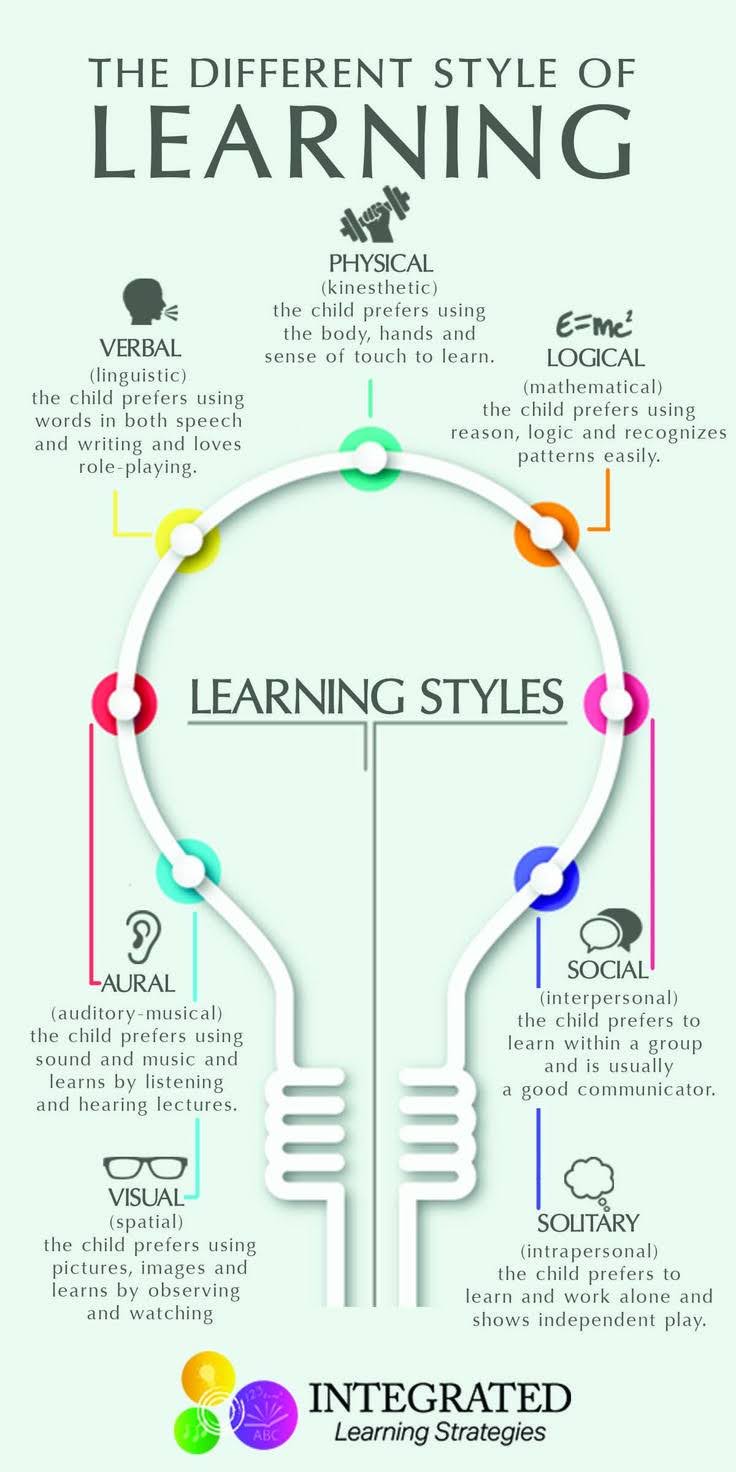
7. Learning skill :
What are learning skills?
Learning skills are habits that can be used throughout your life to complete projects and communicate effectively. They can continuously be developed and improved to help you accomplish daily tasks or achieve your career milestones.
Examples of learning skills
There are a variety of learning skills that can be beneficial for you to have, whether you are a student or a seasoned professional in the workforce. It is important to note that many of the below skills could be applied to one or more skill categories, but for simplicity, the following section will separate these skills into five distinct categories:
Organizational skills
Organization
Time management
Multitasking
Strategy development
Information management
Notetaking
Cleaning workspace
Schedule planning
Event coordination
Productivity
Communication skills
Active listening
Situation analysis
Technological competency
Media literacy
Empathy
Persuasive argumentation
Clarification
Respect
Public speaking
Writing
Collaboration skills
Leadership
Team-oriented
Conflict resolution
Compromising
Engagement
Reliability
Resource allocation
Project management
Task delegation
Goal setting
Critical-thinking skills
Critical-thinking
Attention to detail
Evaluation
Analytical-thinking
Inferencing
Self-regulation
Annotative reading
Text interpretation
Decision-making
Comparing and contrasting
How to improve your learning skills
The following section will identify ways you can improve your learning skills and, in doing so, become a desirable job candidate to potential employers:
Identify weak areas.
Practice better habits in your daily life.
Take a community course.
Participate in volunteer opportunities.
1. Identify weak areas
The first step to improve your learning skills is to identify the areas where you know you could improve. You might identify your weak points as communication, productivity, adaptability, decision-making or a combination of these traits. Making yourself aware of your weaknesses can help you become more mindful of how they affect your daily life.
2. Practice better habits in your daily life
The second step to improve your learning skills is to work toward better practices of these skills in your daily life. Clarify what you mean when talking with someone or ask for clarification from them to prevent miscommunication. Set reasonable goals for chores or work-related tasks, and try to finish them within the time-frame you set for yourself.
You can work on your ability to adapt to new situations by trying something outside of your comfort zone, whether it be an activity or traveling to a different area. You can work on your decision-making skills by weighing the potential outcome of a proposed action such as eating out vs. eating the food you already have.
By practicing better habits in your daily life, you can further apply them to work-related areas.
3. Take a community course
If you want to reach outside of your comfort zone, consider taking a community course in an area that you aren't as comfortable with. Consider a course in creative writing or public speaking to help you cultivate new strategies for writing and speaking in front of an audience.
4. Participate in volunteer opportunities
By participating in volunteer opportunities you can hone your skills related to team-building, leadership, empathy and time management. Find something you are passionate about and work on your learning skills while you volunteer.
8. Problem solving skills :
What are problem-solving skills?
Problem-solving skills help you determine the source of a problem and find an effective solution. Although problem-solving is often identified as its own separate skill, there are other related skills that contribute to this ability.
Some key problem-solving skills include:
Active listening
Analysis
Research
Creativity
Communication
Dependability
Decision making
Team-building
Problem-solving skills are important in every career at every level. As a result, effective problem solving may also require industry or job-specific technical skills. For example, a registered nurse will need active listening and communication skills when interacting with patients but will also need effective technical knowledge related to diseases and medications. In many cases, a nurse will need to know when to consult a doctor regarding a patient’s medical needs as part of the solution.
Examples of problem-solving skills
To solve a problem effectively, you will likely use a few different skills. Here are a few examples of skills you may use when solving a problem.
Research
Researching is an essential skill related to problem solving. As a problem solver, you need to be able to identify the cause of the issue and understand it fully. You can begin to gather more information about a problem by brainstorming with other team members, consulting more experienced colleagues or acquiring knowledge through online research or courses.
Analysis
The first step to solving any problem is to analyse the situation. Your analytical skills will help you understand problems and effectively develop solutions. You will also need analytical skills during research to help distinguish between effective and ineffective solutions.
Decision-making
Ultimately, you will need to make a decision about how to solve problems that arise. At times (and with industry experience), you may be able to make a decision quickly. Solid research and analytical skills can help those who have less experience in their field. There may also be times when it is appropriate to take some time to craft a solution or escalate the issue to someone more capable of solving it.
Communication
When identifying possible solutions, you will need to know how to communicate the problem to others. You will also need to know what communication channels are the most appropriate when seeking assistance. Once you find a solution, communicating it clearly will help reduce any confusion and make implementing a solution easier.
Dependability
Dependability is one of the most important skills for problem-solvers. Solving problems in a timely manner is essential. Employers highly value individuals they can trust to both identify and then implement solutions as fast and effectively as possible.
9. Interview skill :
What are interviewing skills?
Interviewing skills are your ability to interact with the employer or interviewer and show them why you are the best-fit candidate for the job role. Your interview skills give an interviewer insight into how you will communicate in the workplace and solve problems. It also shows if you can actively listen and be honest in your work. All these factors tell your potential employers how well you will fit in their work environment.
During your interview, the employer may pay attention to your answers and the non-verbal cues you use while answering questions. For example, if you tap your foot while talking, it may show that you are nervous. So, this skill set helps you highlight the best features that can differentiate you from other candidates with similar qualification and work experience.
What are interviewing skills?
Interviewing skills are your ability to interact with the employer or interviewer and show them why you are the best-fit candidate for the job role. Your interview skills give an interviewer insight into how you will communicate in the workplace and solve problems. It also shows if you can actively listen and be honest in your work. All these factors tell your potential employers how well you will fit in their work environment.
During your interview, the employer may pay attention to your answers and the non-verbal cues you use while answering questions. For example, if you tap your foot while talking, it may show that you are nervous. So, this skill set helps you highlight the best features that can differentiate you from other candidates with similar qualification and work experience.
Research capabilities
Good research capabilities help you perform well in an interview. For instance, you can read and analyse the job description and customise your resume based on that research. You should also do your research on the company you are interviewing for. That way, when the interviewer asks you questions like "Why do you want to work for this company?", you will be able to provide an informed answer that shows the employer you are the best-fit candidate for their organisation and its culture.
As part of your research, you can visit the company website, read the latest news about the company and talk to some of their employees.
Interview questions preparation
Some basic interview questions are fundamental to almost every job role. It is always a good idea to practise such questions before facing your potential employers. Preparing beforehand for questions like "Tell me about yourself", "Why should we hire you?", "What are your greatest weaknesses?" or "Do you have any questions?" is an important interview skill, as it shows your attitude and seriousness about the job role. If you are applying for a technical role, make a list of commonly asked technical questions for that job role and practise them.
The more you practise, the better answers you can provide during the interview. Moreover, craft your own answers instead of copying and pasting generic answers from the Internet.
Time management
Time-management skills are important because they show that you can plan, prepare and organise your time. You should reach the interview venue at least 10 to 15 minutes ahead of time and keep track of the time you spend answering each question. Also, before coming for the interview, plan your mode and route of travel to be punctual. It is always good to keep some buffer time in case you encounter heavy traffic or a flat tyre.
Confidence
Self-confidence is the ability to stay confident in your skills and abilities. This is an essential skill because it shows that you have trust in yourself. To showcase a confident attitude during the interview, control your fidgeting, greet the employer with a handshake, talk slowly and maintain eye contact. Also, when you answer the interview questions confidently during an interview, it helps make the interviewer feel more confident about your skills, experience and knowledge.
Active listening
Active listening is as important as answering the job interview questions. If you listen properly to the employer's question, you will be able to understand what exactly they are looking for and craft your answers accordingly. It also shows that you are engaged and serious about the job role. For example, when an employer asks you, "Do you have any questions?" instead of asking generic questions, ask questions based on your conversation with the employer. This can increase your chances of getting hired.
Positive attitude
Having a positive attitude during an interview can influence the hiring decision in your favour. For example, when asked about why you left your previous job, saying negative things about your previous employers is not a good way to answer such questions. So, focus on giving optimistic reasons for leaving a previous job. You can also show your positive attitude using active verbs and positive connotations to present your qualifications favourably to the employers.
Politeness
Being polite is another critical interview skill. Apart from the employer, you are likely to meet several company employees during the interview process. For example, you may interact with the receptionist, so greet and talk to them politely. Also, if a human resources professional escorts you to the interview room, remember to thank them. It is imperative to be friendly and polite to everyone, as it shows how well you can fit in the organisation and work with others.
Honesty
One skill that makes you a desirable candidate for a job role is honesty. To show your honesty during the interview process, make sure that all the information you provide about yourself is correct. As most employers perform a background check on their new hires, there is no point in exaggerating about your experience, skills and qualifications.
For example, if you have mentioned in your resume that you are fluent in Spanish, be ready to demonstrate your skills in the interview. It is always advisable to write nothing but the truth on your resume. Being honest can help you gain the trust of the employer.
10. Written communication skill :
What is written communication?
Written communication is any written message that two or more people exchange. Written communication is typically more formal but less efficient than oral communication. Examples of written communication include:
Emails
Text messages
Blog posts
Business letters
Reports
Proposals
Contracts
Job descriptions
Employee manuals
Memos
Bulletins
Instant messages
Postcards
Faxes
Advertisements
BrochuresNews releases
Most businesses require and depend on written communication to function and share information.
Effective writing allows the reader to understand everything you are saying. Here are a few ways you can communicate clearly and easily:
1. Identify and clearly state your goal
Effective written communication has an obvious goal that you convey to the reader. Describe in clear words what you want the reader to do or know.
2. Use the right tone
Tone can help your writing be more effective. Some forms of communication, such as memorandums, require a formal tone. Writing to a friend, however, requires an informal tone. The tone you use depends on the purpose of the writing and the audience.
3. Keep it simple
Avoid jargon, expressions or big or complex words. You want to make it easy for the reader to understand what you are saying, regardless of their familiarity with your company or industry.
4. Stay on topic
Avoid irrelevant information. Clarity is essential. Keep paragraphs and sentences short, as complicated and lengthy statements slow the reader down. Only include words that add value to the reader and focus on your main goal.
5. Use active voice
Active voice strengthens your writing and makes your statements easier to understand. Active voice also engages the reader and keeps their attention. An example of passive voice is, "The letter was sent by me." You can communicate this statement more clearly and concisely if you rewrite it in active voice: "I sent the letter."
6. Have someone proofread your writing
Correct punctuation, spelling and grammar are crucial. Have someone read your writing before you send or share it. If no one is available, then read it out loud to yourself.
7. Make it easy to read and scan
Emails, memos, letters and webpages with brief text and plenty of white space are easier to read than text-heavy communications. Break your content into easy-to-read and understand paragraphs or sections. This is particularly important when viewers are reading on a screen, such as web content and emails. Use bullet points, headers and short paragraphs to make your text easier to understand.
8. Be professional
When writing for work, keep the content professional. Avoid making jokes or discussing sensitive topics that the reader might interpret differently than you intended. A professional tone, particularly in formal communications, gets the reader to trust and respect you.
9. Practice
The more you write, the stronger your written communication skills get. Practice writing a variety of communication types frequently, including:
Emails
Letters
Press releases
Blog posts
Memos
Reports
Website content
Consider writing hypothetical press releases and advertisement copy, for example, rather than documents your organization plans to send or publish. Have a friend or colleague read your writing and give you feedback so you know what to improve when your manager does ask you to write a professional communication.
Conclusion
At last if you want to improve yourself then all these skills including listening skills , interview skill, adaptability skill, learning skill, non verbal communication skill etc are needed and become necessary . With the help of these skills we make ourselves better .